
Your Merchants Are Already Selling. Someone Else Owns the Transaction.
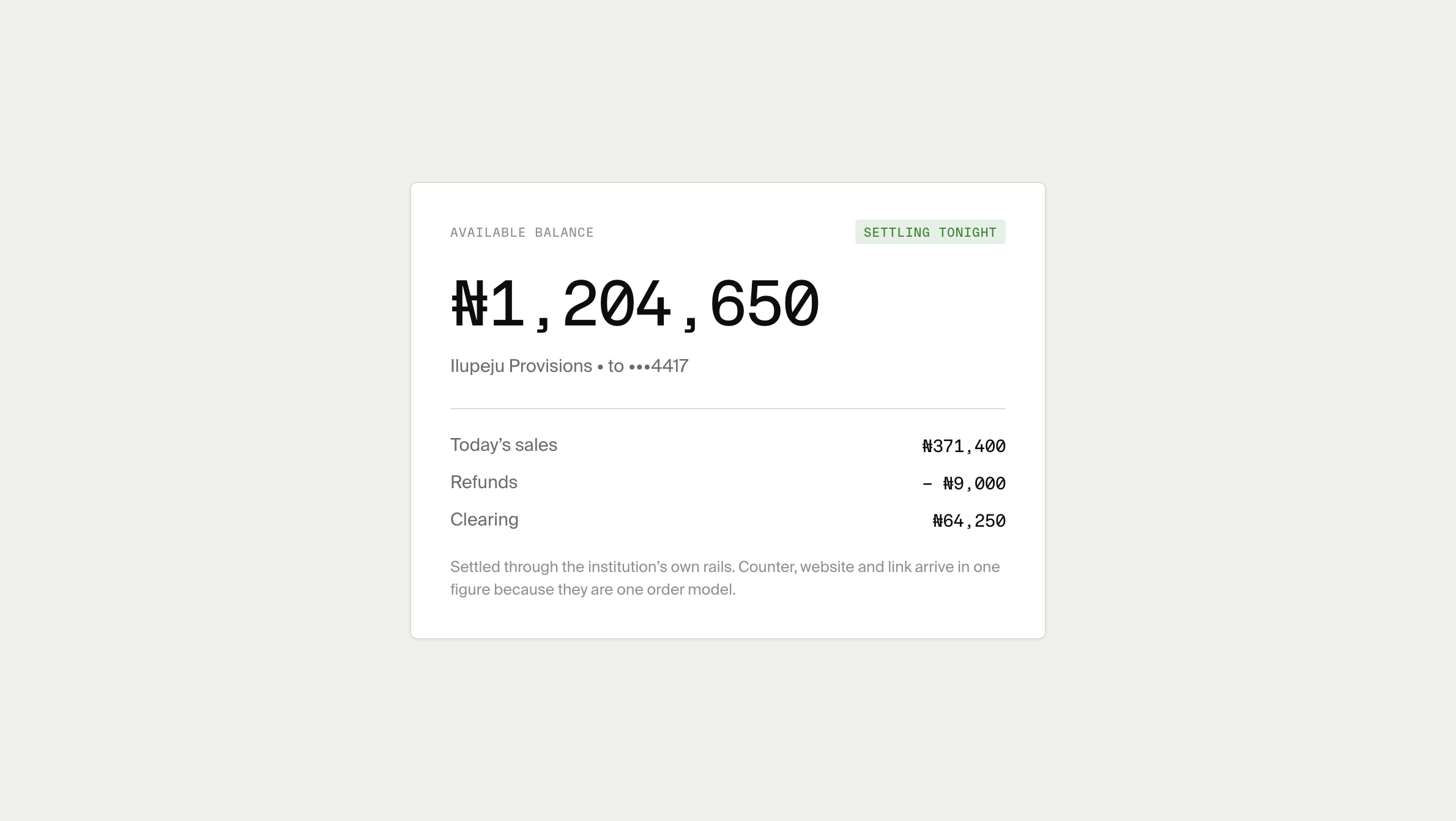
Table of Contents[ 5 ]
The merchant relationship has fragmented The account is not the operating system The institution already has distribution Ownership doesn’t mean exclusivity The opportunityThere is a simple problem hiding inside modern merchant banking.
Your merchants are already selling.
They have websites. They accept payments. They sell through social channels. They send payment links. They operate physical locations. They manage customers and orders.
The question isn’t whether commerce exists. The question is where it happens.
The merchant relationship has fragmented
A merchant might bank with one institution, process payments with another company, operate a website on another platform and run their physical store through another system.
Every platform owns a piece of the relationship. The bank owns the account. The commerce platform owns the website. The point-of-sale provider owns the physical transaction. The payment provider owns another part of the payment flow.
The merchant is left stitching everything together.
This fragmentation is normal because the infrastructure was built separately. But it doesn’t have to remain that way.
The account is not the operating system
The account is an important primitive. But it is not where the merchant does most of their work.
A merchant doesn’t wake up and think “I need to manage my bank account.” They think “I need to sell.”
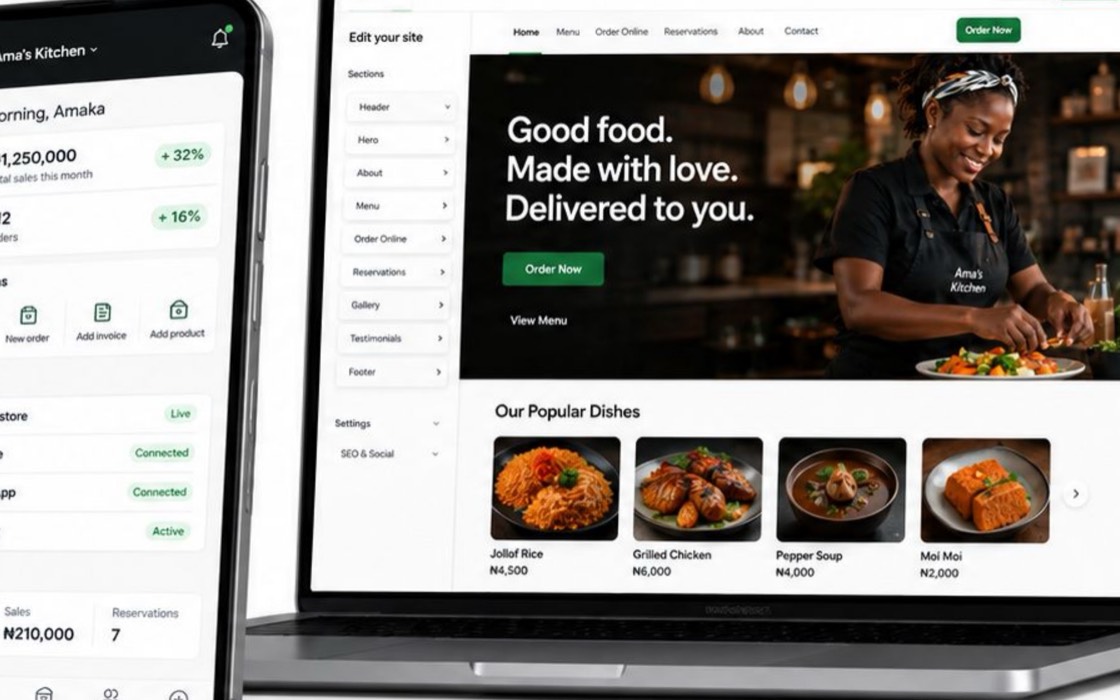
They need to know what they sold. Who bought it. Whether the payment succeeded. Whether the order was fulfilled. How much they made. What is selling. What needs to be restocked. Where their customers came from.
Commerce is an operational problem. Financial institutions have historically owned the financial side of that problem. The opportunity now is to own more of the infrastructure around it.
The institution already has distribution
This is what makes the opportunity particularly powerful for banks and financial institutions. They don’t need to convince merchants to become their customers. Many of those merchants already are.
The institution already has distribution, trust, accounts, payments, existing merchant relationships and financial infrastructure.
The missing piece is the commerce layer. Box exists to provide that layer.
Ownership doesn’t mean exclusivity
A commerce relationship doesn’t require an institution to build every application itself. Infrastructure can be composable.
A bank can provide the underlying platform while developers build experiences on top. It can offer a full merchant platform. It can embed commerce into an existing banking application. It can expose APIs and let its own teams build the experience.
The important thing is that the institution controls the infrastructure.
The opportunity
The strategic opportunity isn’t simply to add another merchant feature. It is to change the position of the institution. From where your merchants keep their money to infrastructure your merchants use to run their business.
That is a much deeper relationship. And it starts with a simple observation: your merchants are already selling.
The question is who owns the infrastructure behind that commerce.