Own the surface
Move from a payment endpoint to the place merchants work.
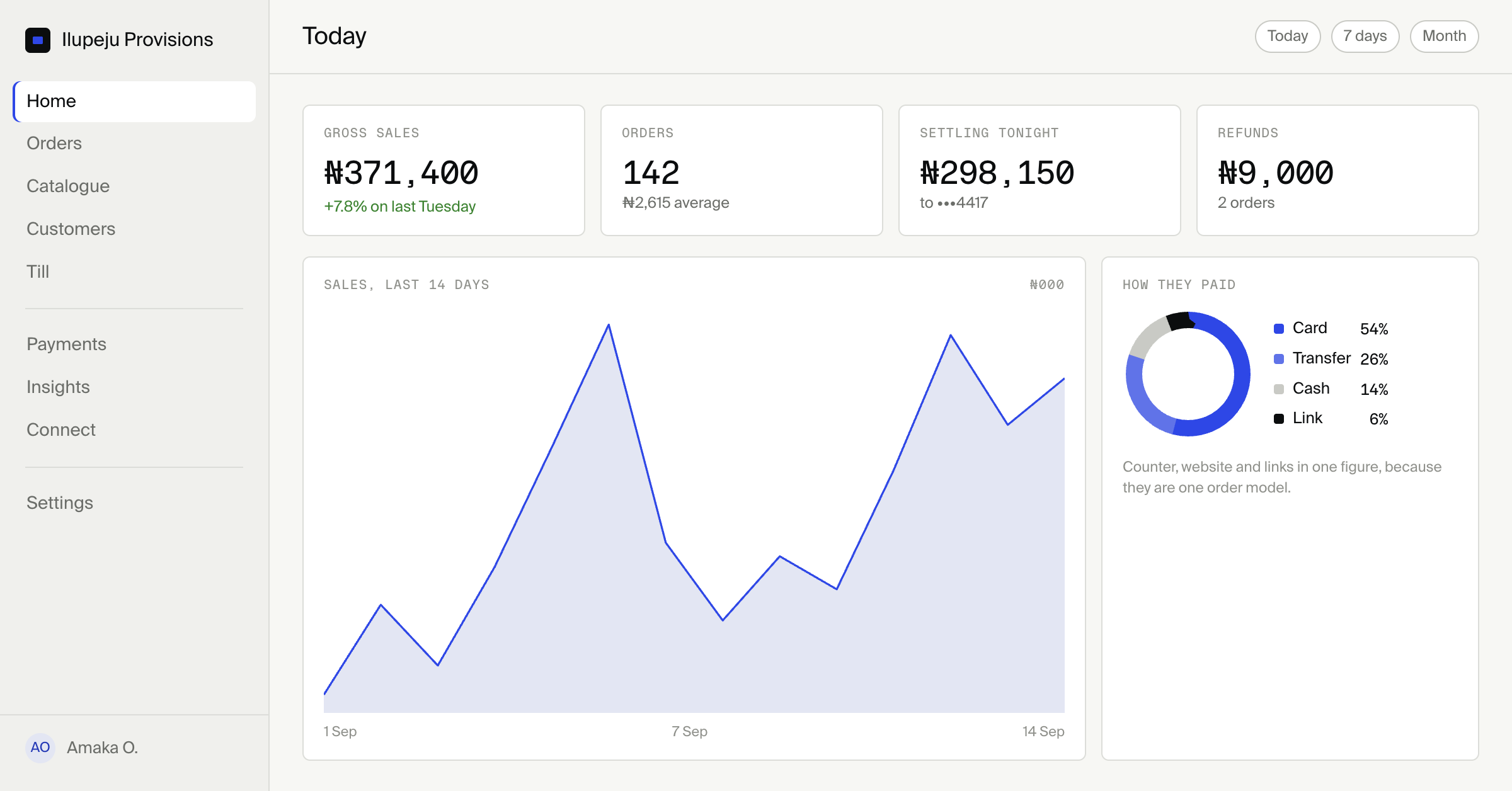
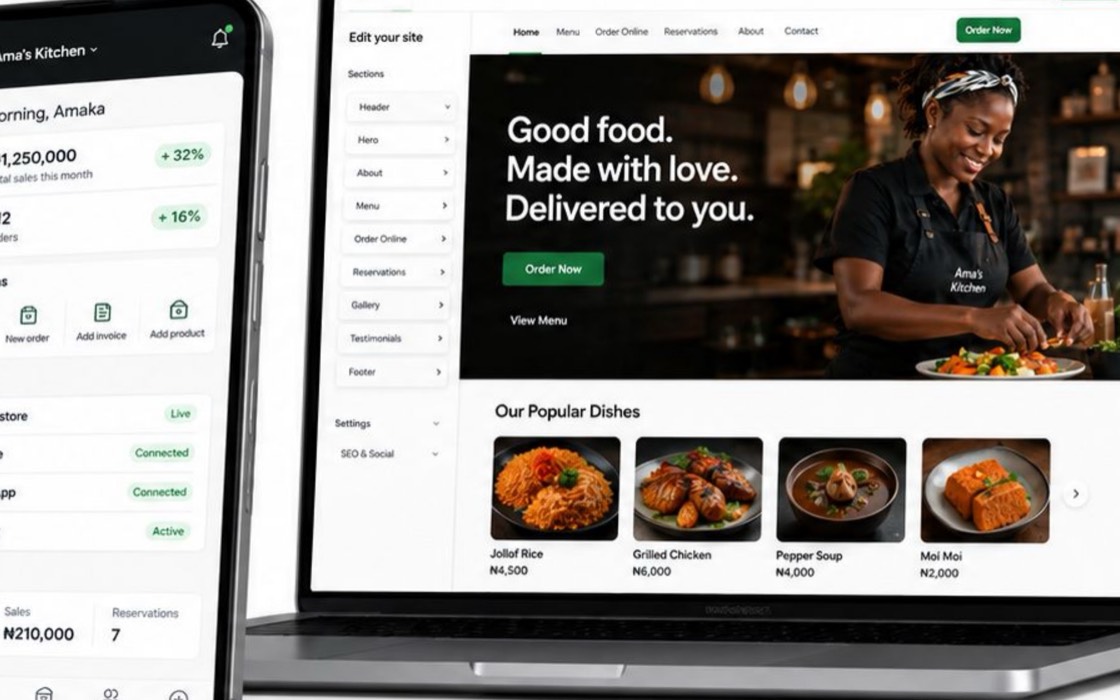
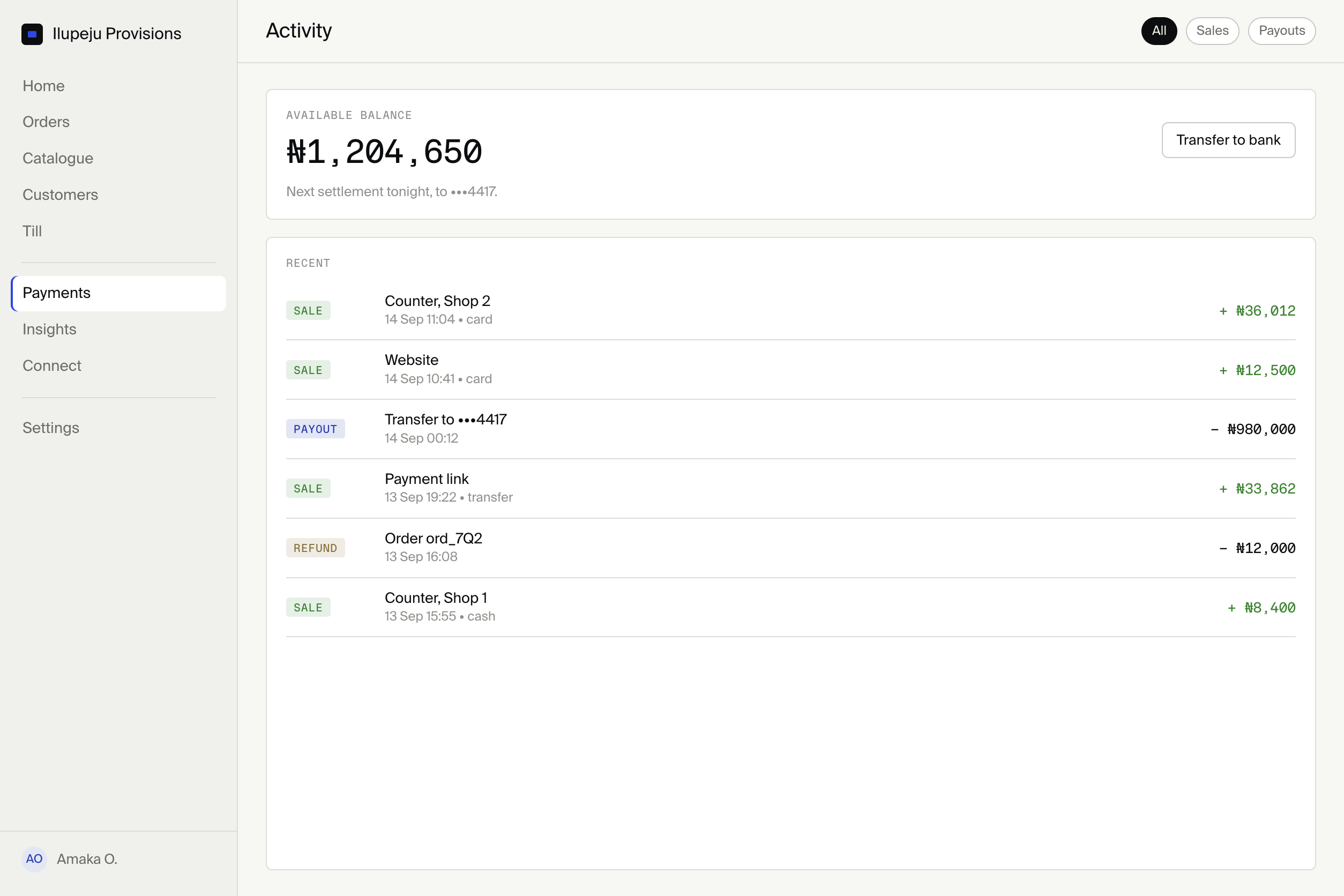
Pair your existing rail with Merchant Console, Website, In person, and Connect under your institution’s name.
Commerce
Intelligence
Infrastructure
 Why institutions choose Box
Keep the brand, records, rails, and merchant relationship.
Why institutions choose Box
Keep the brand, records, rails, and merchant relationship.
Start here
By merchant activity
By deployment
 See it running
OlivePay licensed Box. The tills are already in the field.
See it running
OlivePay licensed Box. The tills are already in the field.
Move beyond processing into the software merchants use to sell, operate, and grow, without surrendering the rails you already run.
Keep your gateway
Put your name on the merchant experience
License software instead of sharing transaction value
Own the surface
Pair your existing rail with Merchant Console, Website, In person, and Connect under your institution’s name.
Keep the economics
Box charges for software. The processing relationship, commercial terms, and transaction revenue remain yours.
Grow together
Start with one merchant journey and install more packages as the product expands.
Operate locally
The platform runs in infrastructure and regions your teams already govern.
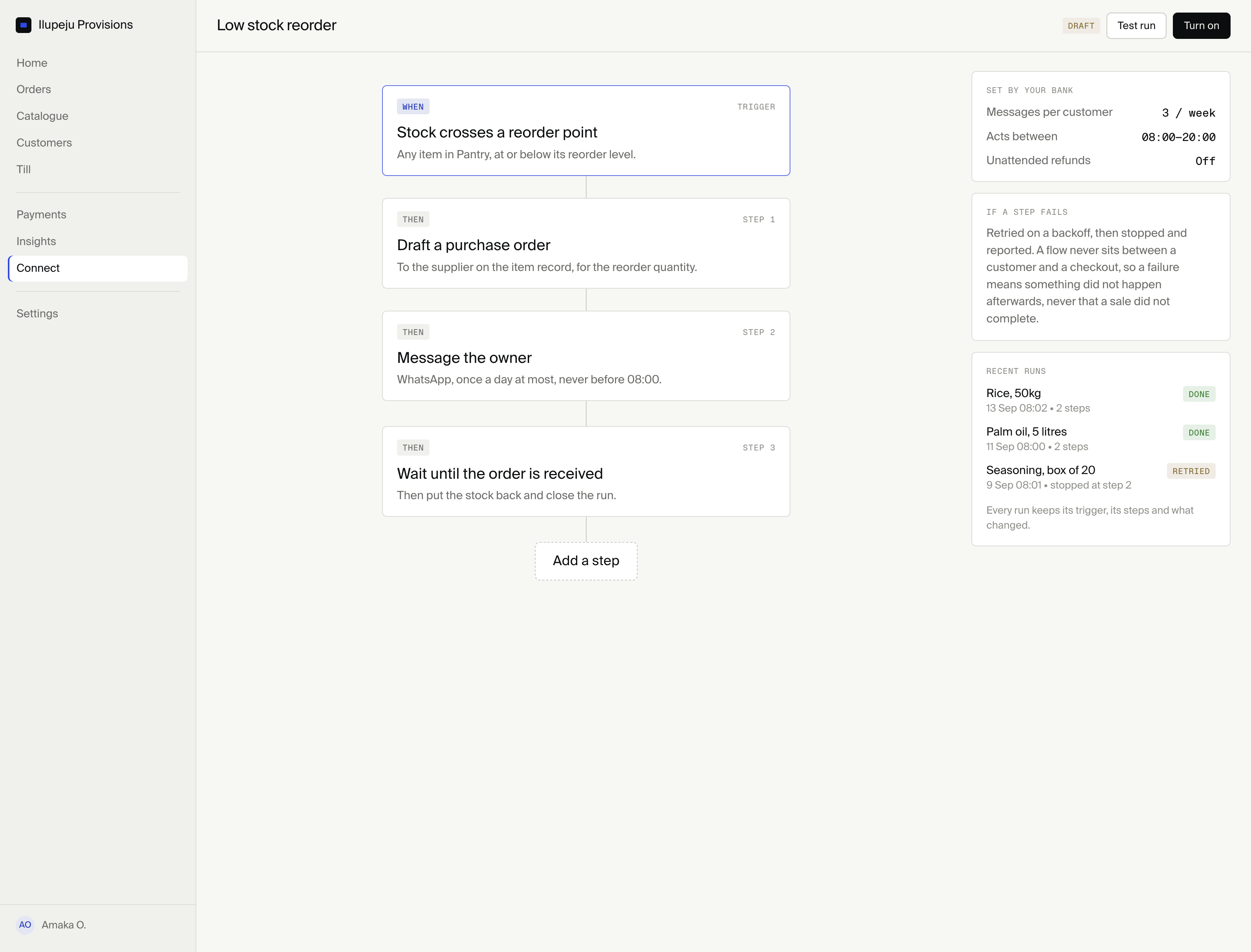
Box calls the payment port you provide. Credentials and provider-specific behavior remain outside the platform shell.
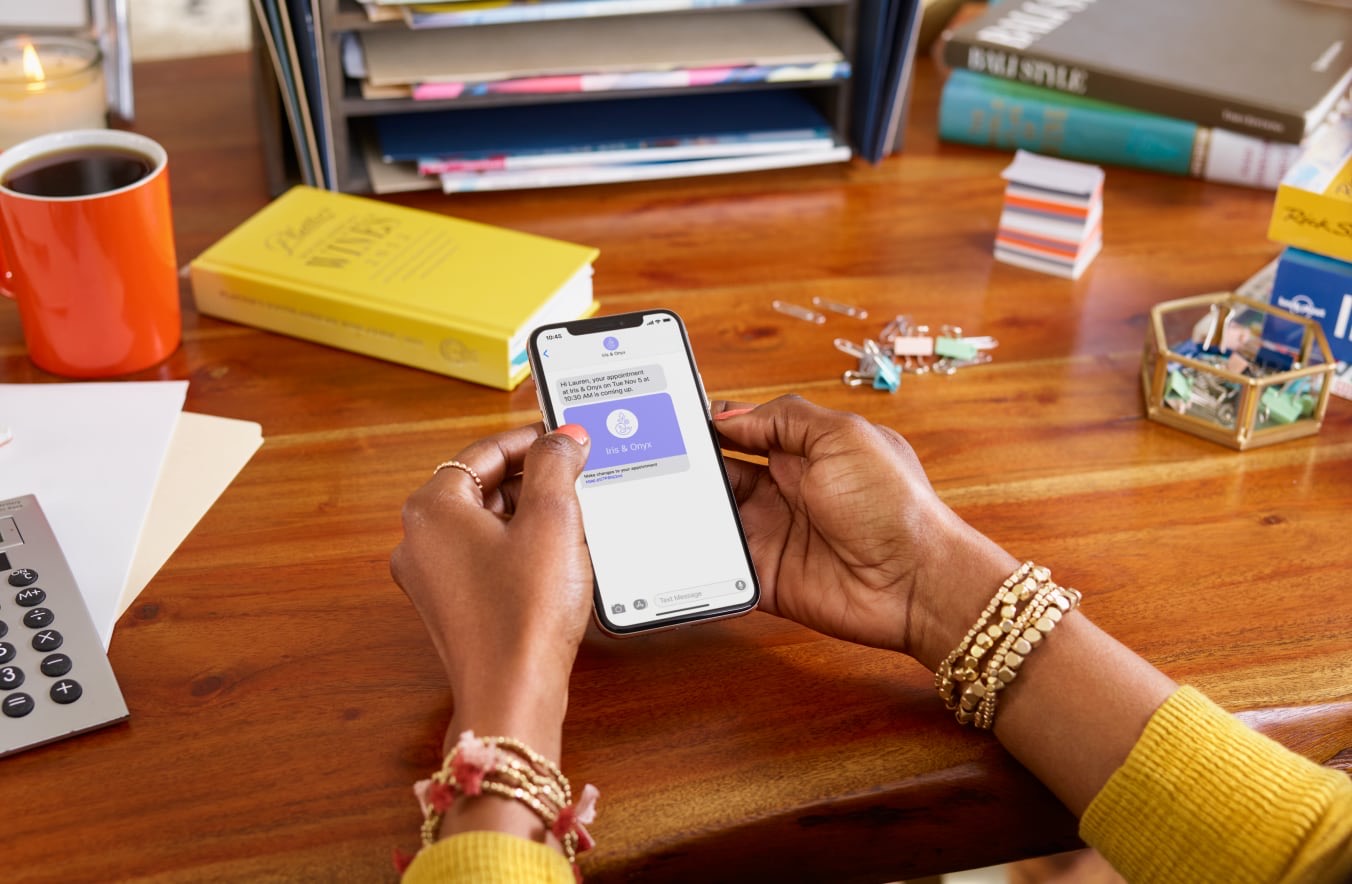
Use your identity, navigation, support routes, and design system across the commerce surfaces you deploy.
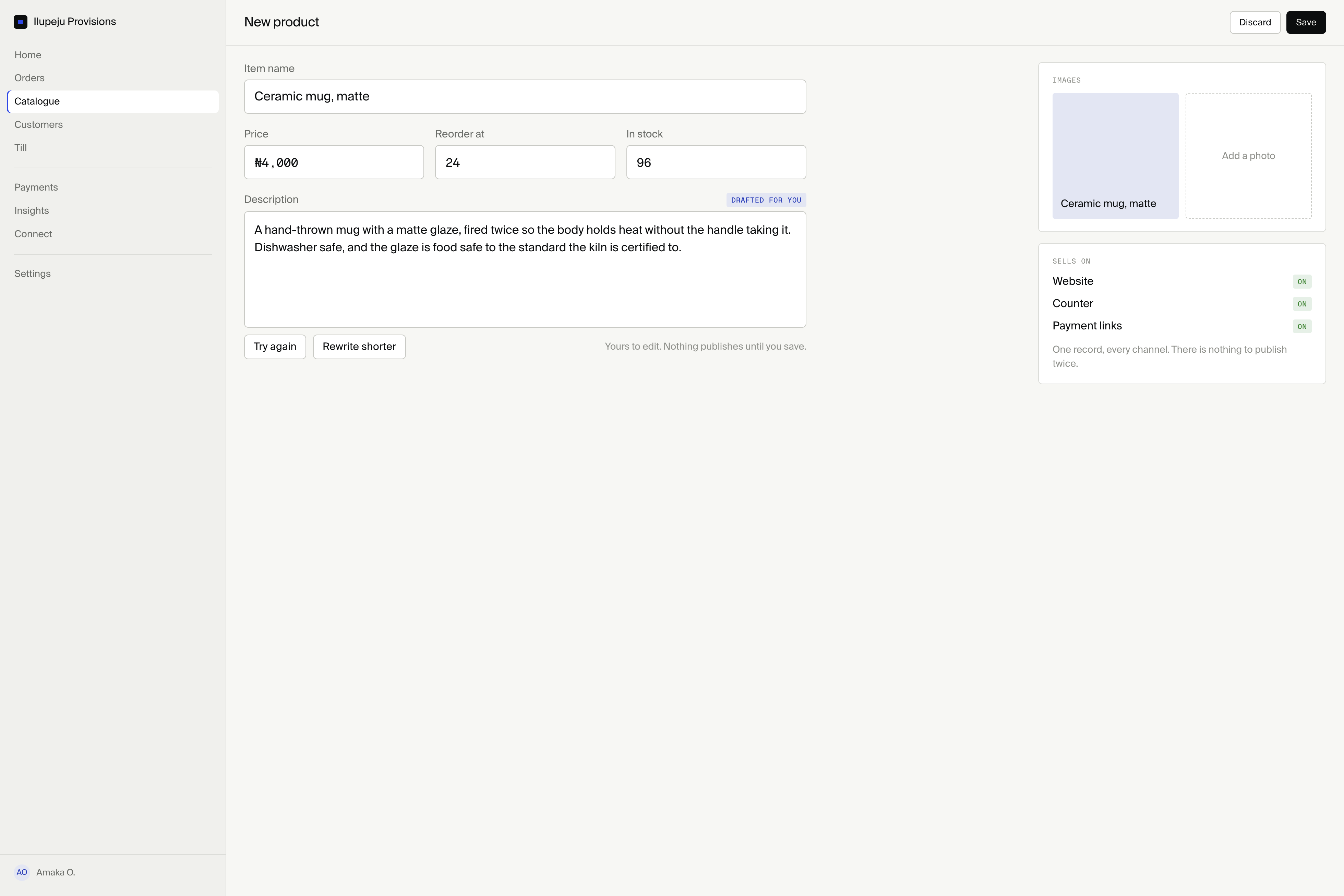
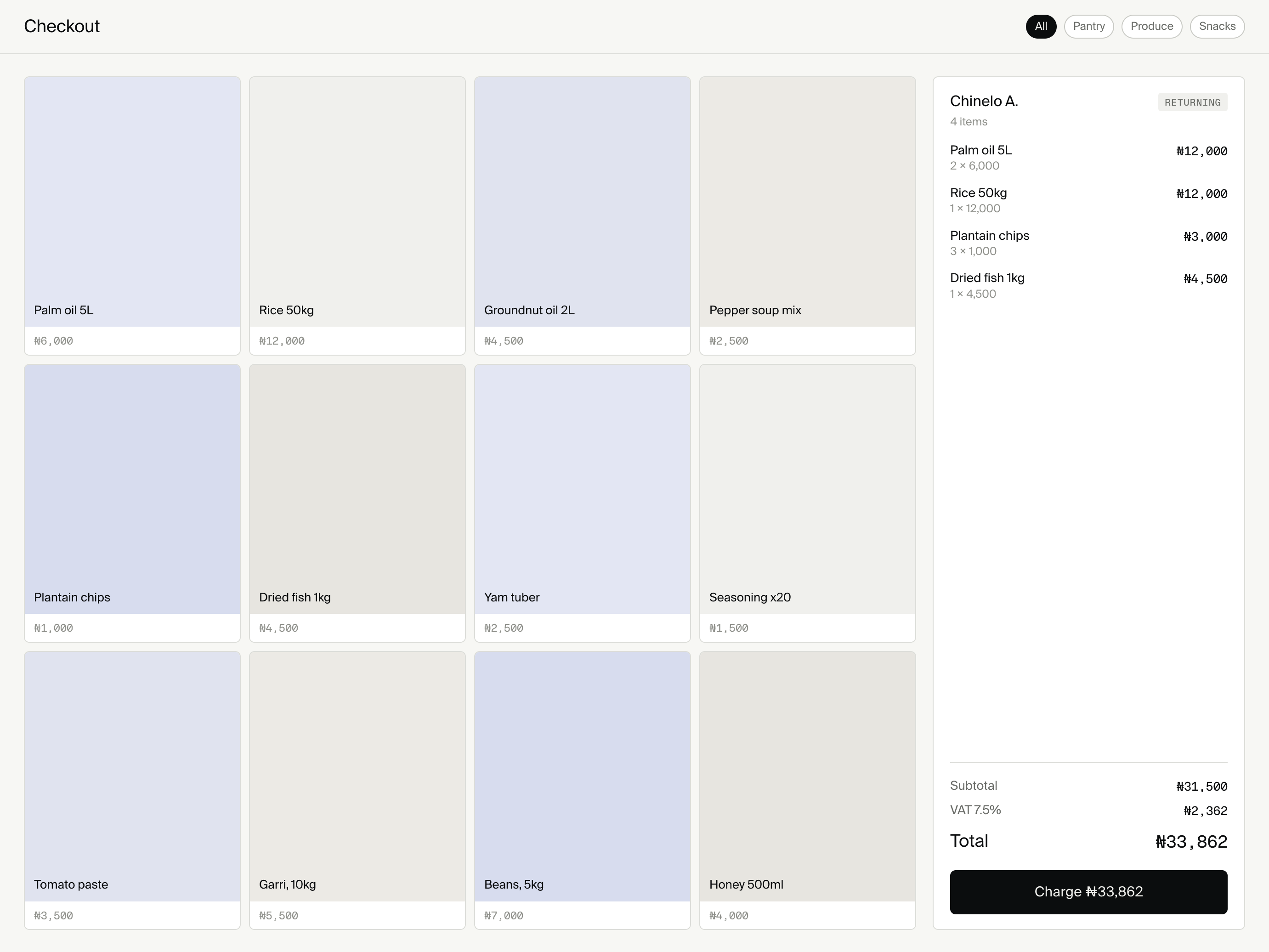
Install catalogue, checkout, invoicing, website, till, and operations packages against the same engine.
No. The institution’s payment implementation binds to Box through an explicit port.
The institution does. The merchant experience can use its brand, identity, support route, and commercial model.
No. Box licenses software and does not participate in transaction revenue.
Yes. Packages can be installed incrementally while sharing the same commerce engine.
Inside the institution-operated deployment and selected region.
Yes. Merchant access binds to the institution authentication boundary.
Yes. Use the generated API directly or combine custom interfaces with Box components.
Box provides institution-operated commerce software. Payment processing, settlement, underwriting, scheme participation, and regulated financial services remain the responsibility of the institution and its approved providers.
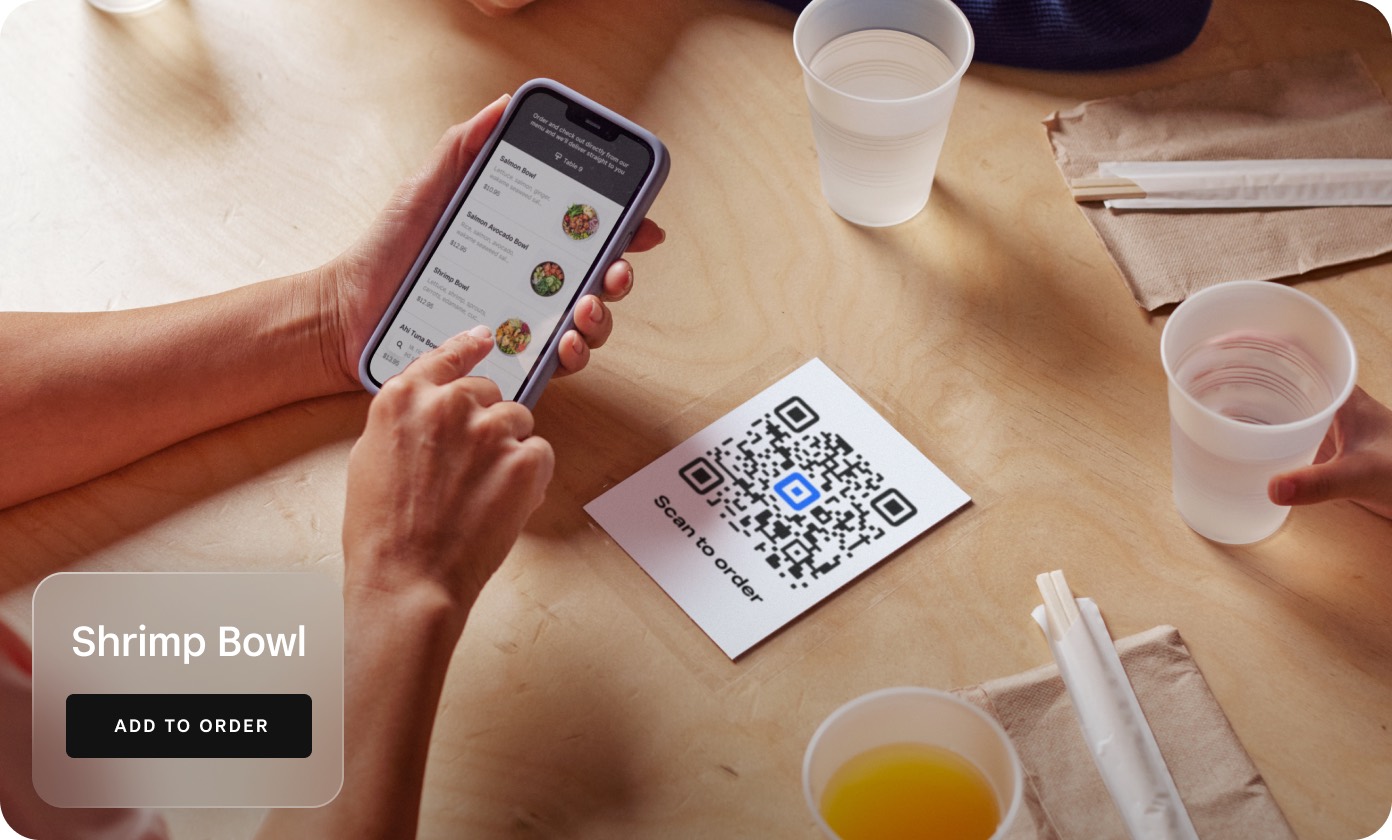 Connect your approved payment rails
 Use one model for the commerce around every transaction
 Operate the complete merchant experience in one place